Picture you're midway via a crucial production run when an operator flags odd readings on a circulation meter. The line can not wait, and delivery deadlines loom. Calling in an onsite group to handle onsite calibration might just be the lifeline your plant needs. Rather than delivery devices offsite and facing days of lost manufacturing, a technician arrives, devices in hand, prepared onsite calibration to take on whatever from pressure checks to temperature tweaks-- precisely the .
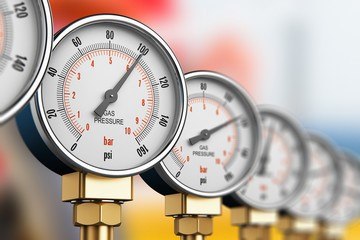
Why Onsite Calibration Matters
Standard calibration frequently means packing up tools-- whether it's a firmness tester or a set of torque wrenches-- and sending them to a lab. That procedure can introduce weeks of downtime and surprise expenses. On the other hand, onsite calibration brings the lab to you. This strategy lowers disruption, maintains your group working with adjusted tools, and preserves item quality without the logistical frustration.
Decreasing Downtime
Every hour your plant rests idle can cost thousands. By calibrating on area, you attend to inconsistencies in actual time. A technician can spot-check sensing units for drift, readjust your wetness analyzers, or verify bit counters without halting the whole line. The result? Your devices is back on the internet much faster, and your profits remains healthy.
Ensuring Consistency and Accuracy
Regular ecological adjustments-- temperature swings, moisture fluctuations-- can affect tool readings. Onsite brows through allow for calibration under actual operating problems. That implies your pressure gauges, torque wrench collections, and other precision instruments are tuned where they function, not in an idealized laboratory setting that does not show real-world obstacles.
Core Instruments for Onsite Calibration
Nearly any type of measurement tool can gain from onsite focus. Below are a couple of common prospects:
- Pressure evaluates and transducers-- making certain safe line pressures and leakage detection Circulation meters-- validating precise flow prices for fluids and gases Temperature level probes and thermal sensing units-- maintaining process limits Hardness testers-- confirming material residential properties throughout manufacturing Torque wrenches-- guaranteeing appropriate bolt tension without overloading Moisture analyzers-- protecting against product wasting or variance Particle counters and nondestructive screening sensing units-- keeping track of air high quality and architectural stability
Study: Flow Meter Calibration
In one food handling plant, the dairy products line dealt with inconsistent milk circulation rates. Every single time they readjusted pasteurization temperature level, the circulation meter appeared to slip out of resistance. An onsite calibration group got here armed plug gage calibration with a mobile contrast standard. Within hours, they confirmed the meter's efficiency at several circulation factors, made fine modifications, and documented the outcomes. Production resumed without a second change lost, and the quality division acquired self-confidence in every carton of milk created.
Best Practices for Smooth Onsite Calibration
Whether it's your very first time scheduling a go to or you're an experienced pro, these suggestions will certainly assist you get the most from an onsite calibration service:
- Prepare a listing of tools and their last calibration dates. Clear work space around vital sensors and gauges for easy access. Keep in mind any recent abnormalities or adjustments in your maintenance logs. Coordinate with shift managers to intend calibration without interrupting essential processes. Gather ecological information-- ambient temperature and humidity-- to show to the professional.
Environmental Considerations
Onsite calibrations should not neglect the fact that your plant flooring isn't a cleanroom. Dust particles can affect sensor heads, and warm from nearby devices can alter readings. An excellent calibration companion utilizes nondestructive methods and takes environmental factors right into account, sometimes even bringing portable shields or rooms to isolate critical zones.
Documentation and Traceability
Among the largest rewards of professional instrument calibration solutions is the rigorous documentation. After calibrating each gadget-- be it a torque wrench or a pressure transmitter-- you receive a certificate detailing as-found and as-left readings, standards made use of, and measurement uncertainty. This paperwork not only satisfies audits however also aids you track instrument efficiency patterns in time.
Real-World ROI of Onsite Calibration
It's very easy to see calibration as an expense center. But when you consider prevented recalls, less service warranty cases, and nonstop manufacturing, the numbers start to look extremely various. Here's how onsite calibration can spend for itself:
Reduced downtime-- every hour saved includes profits. Improved first-pass yield-- less issues slip via. Extensive equipment life-- less wear from running out-of-tolerance. Governing conformity-- avoiding fines and closures. Boosted consumer trust fund-- constant item high quality.Success Story: Hardness Tester Alignment
A steel manufacture shop noticed variants in solidity readings on steel parts. Sending the hardness tester back to a central lab would have stopped production for a week. Instead, an onsite visit rectified the indenter pressure and verified the gauge block requirements. The shop returned to machining within 24 hours, and the welding division reported more powerful, a lot more dependable components.
Choosing the Right Onsite Calibration Partner
Not all provider are equivalent. Try to find service technicians who focus on both area calibrating and nondestructive verification methods. Qualifications from national assessment institutes, experience with a large range of instruments, and quick turnaround times are essential aspects. An excellent companion will certainly likewise provide preventative maintenance suggestions, helping you intend your next check out prior to a gauge wanders out of spec.
Verdict
In today's affordable production landscape, accuracy and uptime go together. Onsite calibration bridges the space between lab-grade precision and real-world performance. Whether you're confirming sensing units in a chemical plant or making certain the proper torque on critical assemblies, the advantages are instant: less downtime, constant item quality, and strong audit trails. For teams all set to experience the difference, EML Calibration is a resource that combines deep technological experience with quickly, trusted field solution.
Name: EML Calibration
Address: 998 Elm Hill Pike, Nashville, TN 37210, United States
Phone: (888) 846-4614
Website: https://www.emlcalibration.com/